
☰
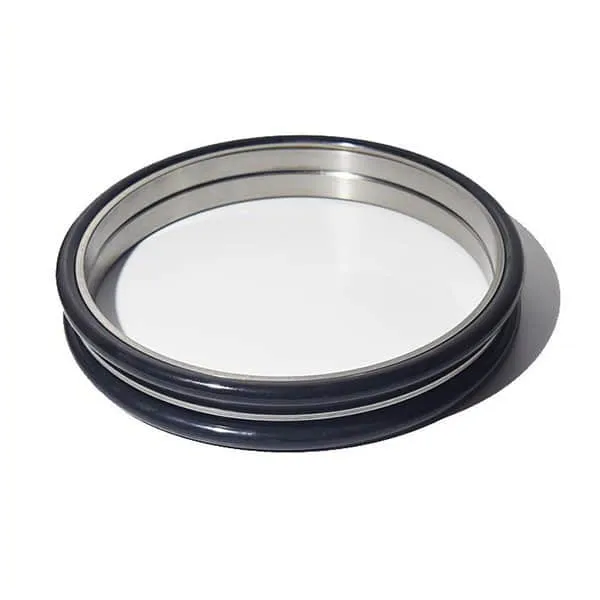
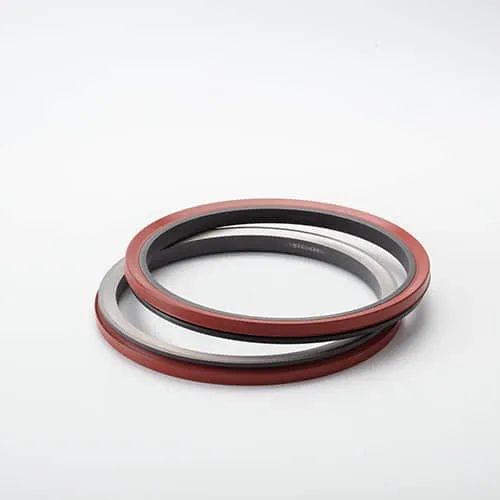
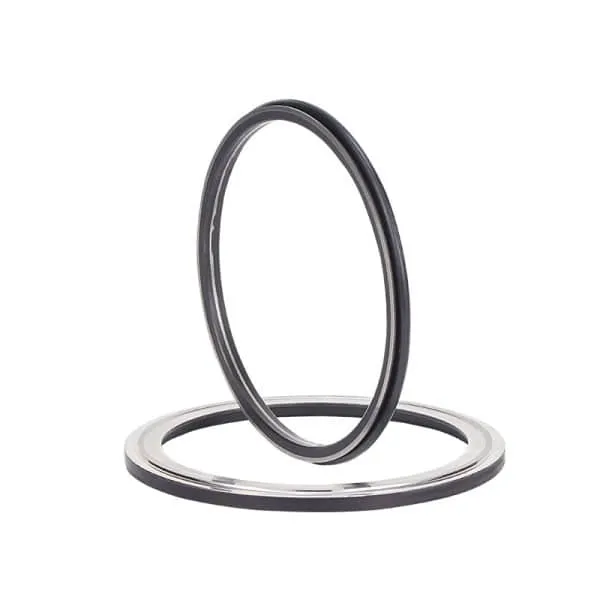
Spare elastomer loaders for HuaTong DO, DF and XY floating seals — toric O-rings for DO and XY, diamond-profile rubber rings for DF.
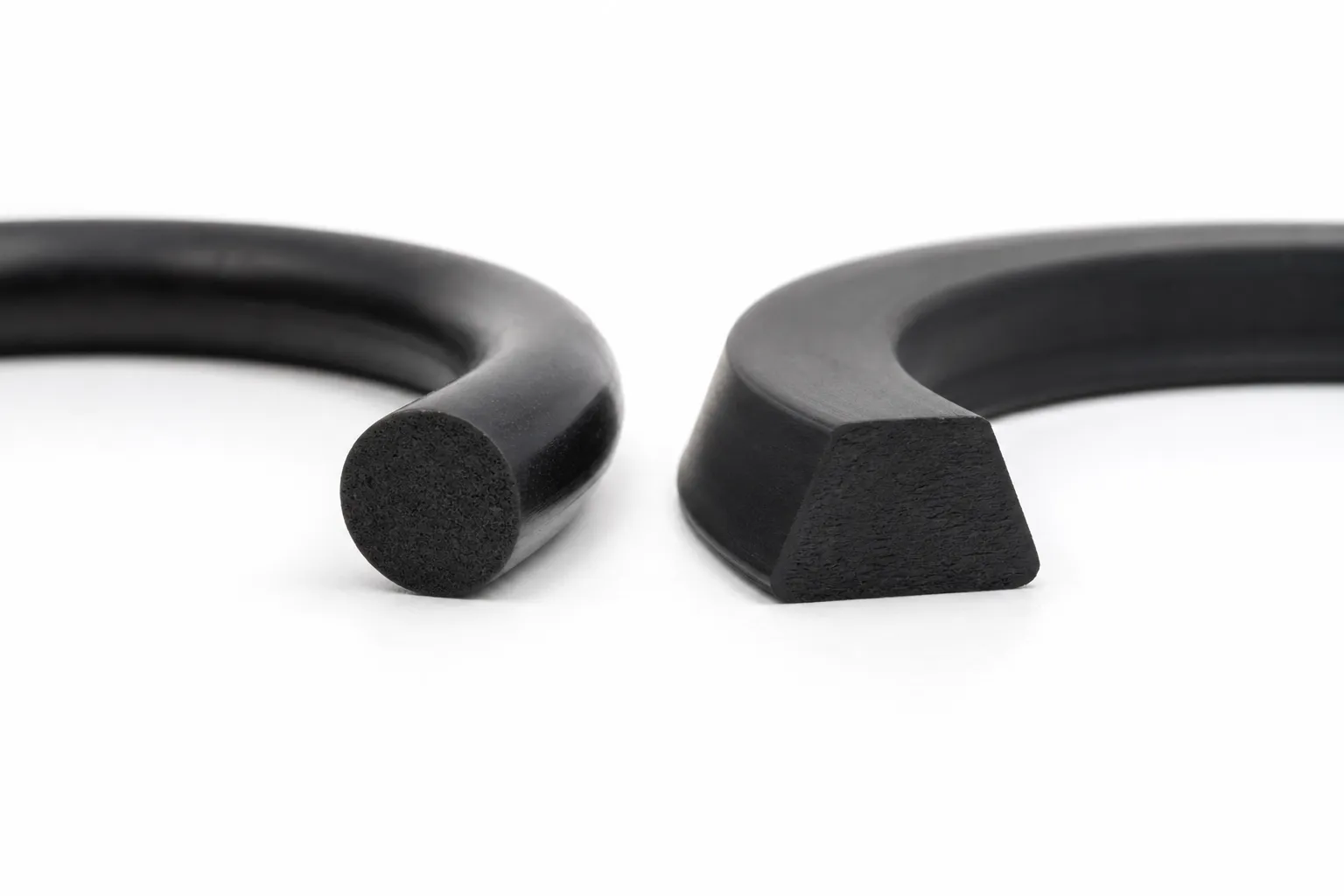
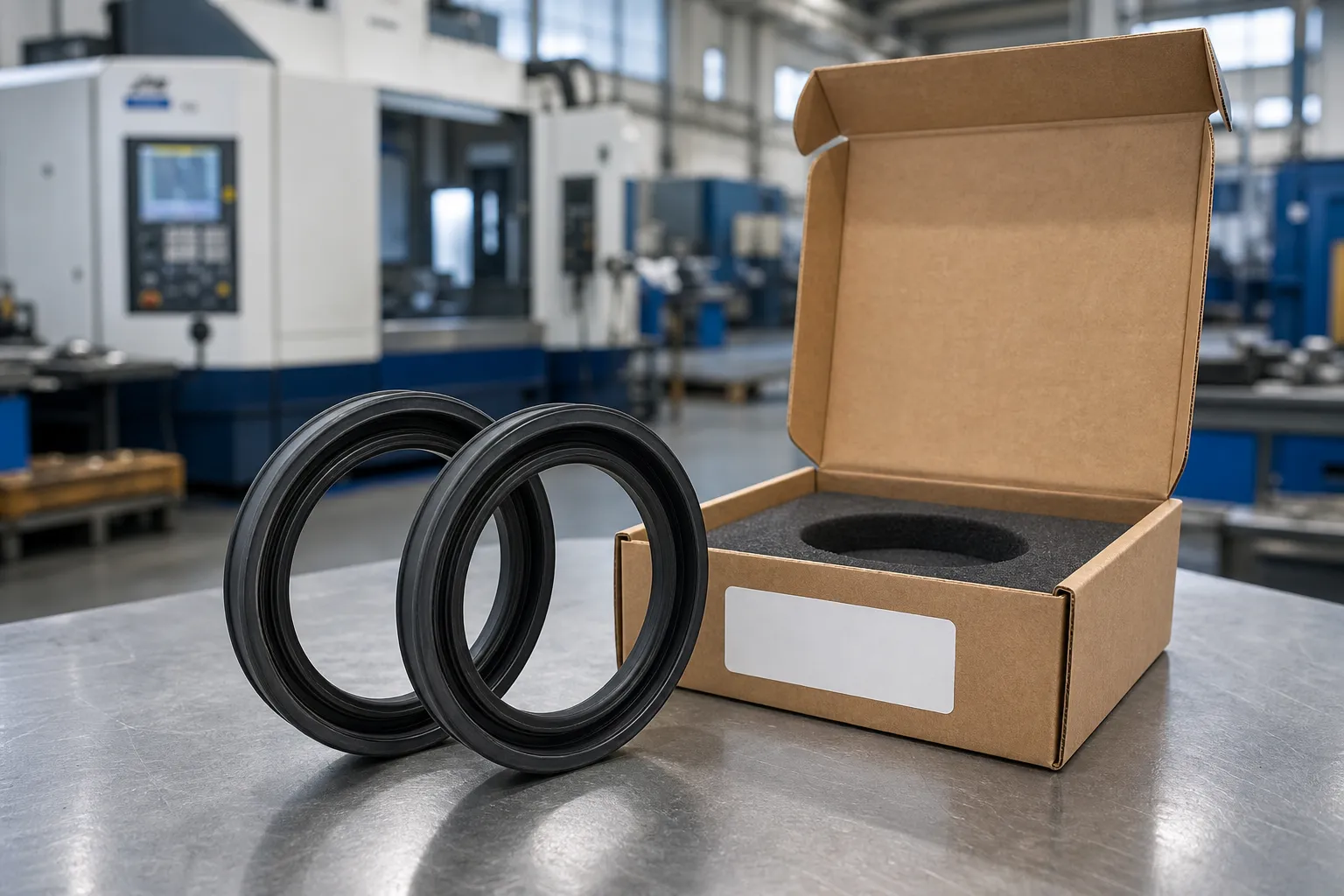
A floating seal (mechanical face seal / duo-cone seal) is normally supplied as two metal rings + two elastomer loaders. The metal faces form the dynamic seal. The rubber rings center each metal half in the housing, provide the static seal on the bore or ramp, and maintain axial face load as the contact band wears.
This page covers rubber accessories only — not metal seal rings, and not a fourth seal category. Metal halves are ordered as DO, DF or XY product sets. Rubber loaders can be ordered separately when the series and size are confirmed, for rebuild stock or OEM spare programs.
DO, DF and XY are not interchangeable. Their elastomer sections differ. Confirm the series from the OEM mark, drawing or worn part before ordering rubber accessories.
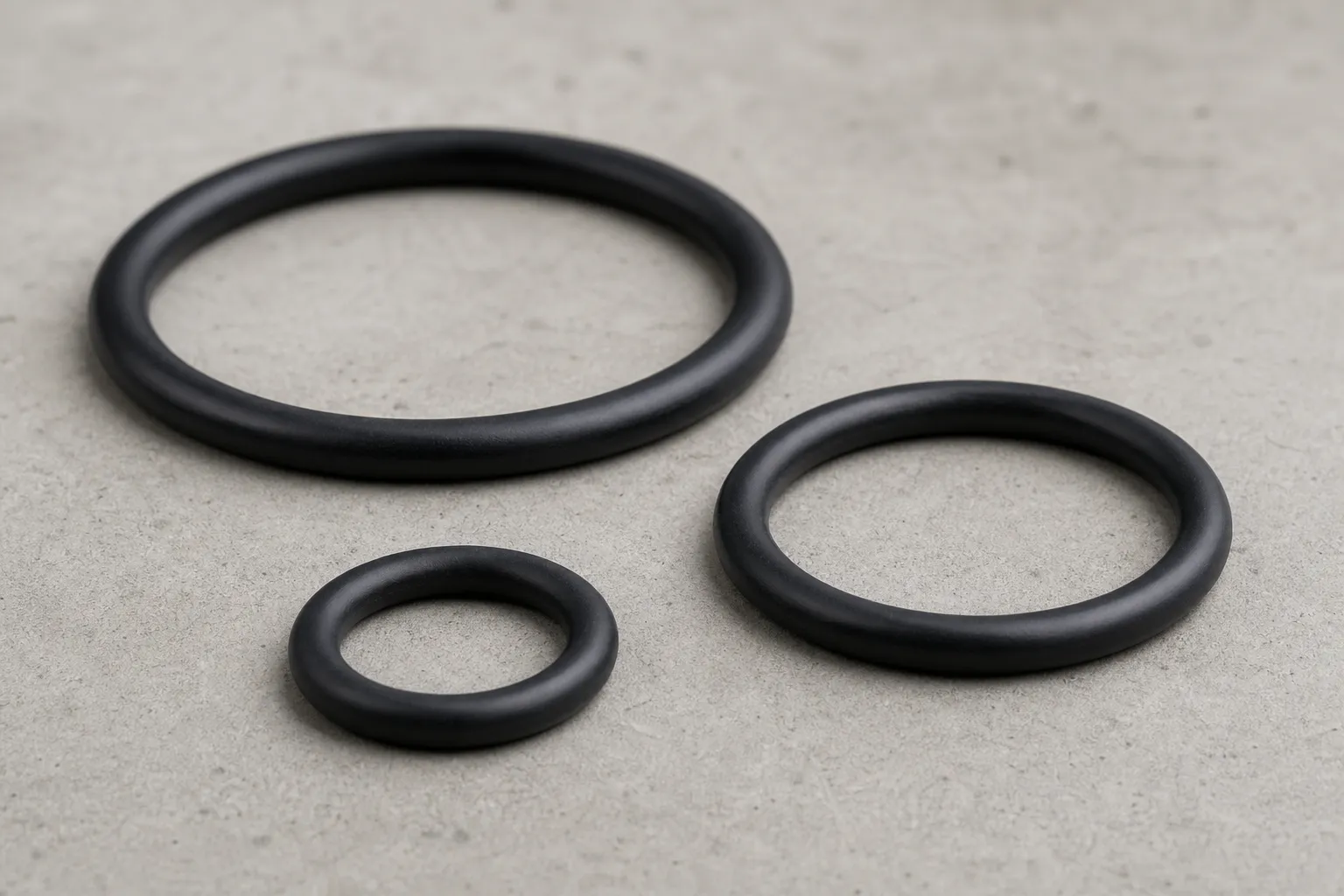
Circular cross-section O-ring used with DO metal rings. Under correct install, the O-ring rolls on the housing ramp and metal-ring ramp. Do not fit a DO toric into a DF house. Replace both O-rings together.
Diamond or square-section elastomer for DF metal rings and compact / square-bore pockets. Section geometry differs from a toric O-ring — DO and DF rubber are not substitutes for each other.
XY seals use complementary X and Y metal halves with toric O-ring loaders (same rubber family as DO, not DF diamond). Order two matched elastomers for the group; replace both loaders together.
Left: toric O-ring (DO / XY) · Right: diamond section (DF)
Temperature and fluid limits depend on the specific compound grade. Figures below are typical industry ranges for guidance — final selection is confirmed against your hub oil, duty temperature and seal series.
Compound availability, hardness and exact temperature limits are confirmed at inquiry. Do not select compound from this page alone for safety-critical or extreme-duty applications.
| Product scope | Rubber / elastomer loaders for HuaTong DO, DF and XY floating seals. Metal rings are sold as complete DO / DF / XY sets, not as this accessory line. |
|---|---|
| Function | Center the metal ring in the housing, seal statically on the bore/ramp, and apply axial load to the metal faces |
| DO / XY profile | Toric (circular) O-ring. On DO/XY installs, ramps and rubber should be clean and dry so the O-ring can roll under compression; oil on the ramp contact can cause slip and early leakage |
| DF profile | Diamond / square-section elastomer for DF seal houses. Not interchangeable with DO toric O-rings |
| Compounds | NBR, HNBR, FKM and silicone are common options; stock and grade are confirmed when you inquire |
| Hardness | Typically in the Shore A 50–70 range for floating-seal loaders, depending on compound — confirm on order |
| Supply | Pairs (2 pcs), size-marked packs, or OEM bulk — by drawing, series/size data, or evaluation of a worn rubber sample |
| Rebuild practice | Replace both rubber loaders together. Do not reuse compressed, cut or glazed elastomers. If metal faces are worn beyond reuse limits, order a full DO / DF / XY set |
| Metal face oiling | After correct seating of the loaders, a thin oil film may be applied to the metal lapped faces as required by your assembly procedure — follow the seal series install guidance |
Series-matched O-rings or diamond elastomers for line-side or aftermarket spare packages, with compound and size confirmed before shipment.
Both loaders replaced during roller, idler or final-drive overhaul when metal faces still meet reuse criteria for that machine procedure.
Send DO / DF / XY marking, size data, compound preference or photos of the worn elastomer. We quote rubber accessories when the series and dimensions can be confirmed.
Send the DO / DF / XY marking, rubber size or a photo of the worn elastomer. Our sales team will confirm compound options and lead time on working days.
Contact sales