Specialized floating oil seal technology · Xuzhou

Floating seal product lines for heavy equipment & OEM programs

DO, DF and XY floating oil seals — engineered for wear resistance, sealing integrity and long service under mud, dust and shock load. Confirm dimensions from drawings, OEM numbers or worn samples before production.

Three floating seal categories — geometry, duty and housing fit

Each category uses cast-to-lap manufacturing under one roof so hardness, geometry and sealing faces stay consistent from sample to volume. Tell us your hub drawing or OEM reference — we confirm matching before production.

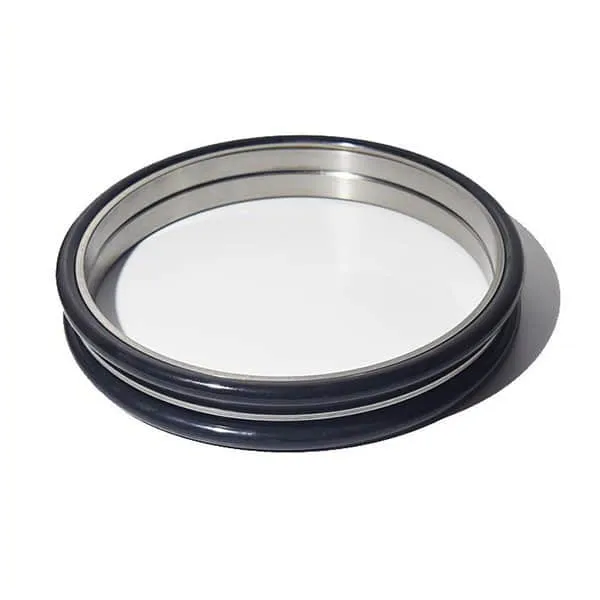
DO type duo-cone floating oil seal metal rings
Best for: high contamination exclusion with balanced housing space

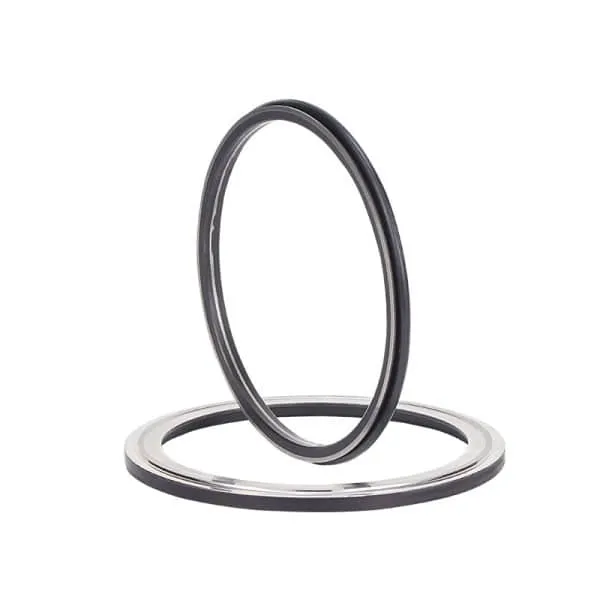
DO floating seal

Symmetric duo-cone geometry for excavators, bulldozers and tracked loaders. A strong choice when housing volume allows a balanced metal ring pair and robust mud rejection.

  • Typical duty: mining crawlers, construction final drives, large agricultural axles
  • Housing cue: adequate axial envelope for a balanced DO pair
  • OEM-style hardness targets and batch certificates available
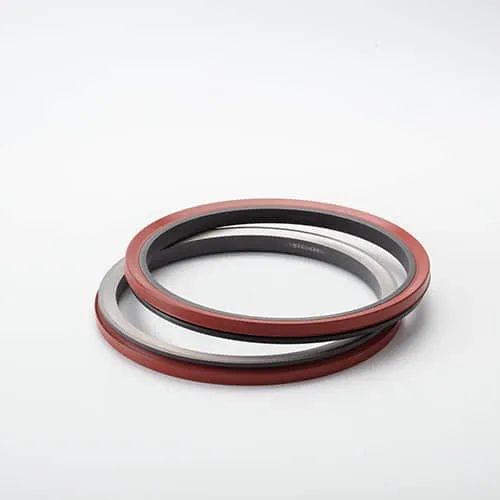
DF type floating seal with diamond-profile elastomer
Best for: limited axial depth or square-bore pockets

DF floating seal

Type DF mechanical face seal uses a diamond-profile elastomer loader instead of a circular O-ring. Specified when axial housing depth is limited or the bore pocket is square — not because the duty is lighter than DO.

  • Typical duty: short final-drive hubs, square-bore track rollers, controlled end-play layouts
  • Housing cue: less axial envelope than equivalent DO; install with ring I.D. tool loads
  • Choose DF for packaging fit; choose DO for maximum float under shock and contamination
XY matched X and Y ring floating seal group
Best for: OEM matched X/Y metal ring groups

XY floating seal

Matched X-ring + Y-ring metal seal group with toric O-ring loaders — complementary halves, not two identical rings. Used where the OEM drawing specifies an X/Y catalog line on crawlers, conveyors, shearers and reducers.

  • Typical duty: excavator/bulldozer undercarriage, mining conveyors, mixer and reducer seals
  • Material cue: 15Cr3Mo class alloy, often HRC 65–72 on abrasive routes
  • Always replace X and Y metal halves together with both toric O-ring loaders

DO vs DF vs XY — choose by geometry and duty

Use this table as a first screen. Final selection should still be confirmed against housing drawings, OEM part numbers or a worn sample.

Dimension DO DF XY
Geometry Symmetric duo-cone metal ring pair with toric O-ring loaders Symmetric metal ring pair with diamond-profile elastomer loaders Complementary X + Y metal halves (different heights) with toric O-ring loaders
Best housing fit Balanced axial space; standard float under contamination Limited axial depth; square-bore or short-hub pockets Heavy-duty housings with OEM X/Y catalog groups
Typical duty High mud/dust exclusion on crawlers and final drives Same harsh environments when packaging is tighter Heavy undercarriage / conveyor duty where OEM specifies X/Y pairing
Replacement note Replace metal rings and elastomers as a complete set Install with even load on metal ring O.D.; verify pocket shape Always replace X and Y halves together
Common equipment Excavators, bulldozers, track loaders, large axles Short final drives, compact rollers, controlled end-play hubs Mining conveyors, shearers, heavy reducers, crawler systems

Not sure which series fits? Send a drawing, OEM number or photo of the worn seal — ask engineering.

Need datasheets with your RFQ? We can attach series specs, certificates and packing notes to your quote package.

Request a Quote

Four checks before you lock a floating seal series

A short engineering screen that prevents mismatched geometry and short rebuild cycles.

01

Housing geometry

Confirm axial depth, bore pocket shape and float allowance. Tight or square pockets often point to DF; balanced envelopes favor DO.

02

Contamination load

Mud, dust, slurry and shock decide face load and elastomer choice. Higher contamination usually needs clearer exclusion geometry.

03

Speed, lubricant & temperature

Line speed, oil/grease type and operating temperature affect face finish, hardness target and elastomer compound.

04

OEM number or worn sample

Part numbers, hub drawings or reverse engineering from worn seals confirm series matching before production.

20+

Years in sealing

5000㎡

Cast-to-lap factory

200k+

Sets annual capacity

100+

Patents & IP

Industries where floating oil seals protect uptime

Same sealing physics — different contamination and shock profiles. Match product families to these duties or send your machine model for a recommendation.

Construction machinery excavators and track systems on muddy jobsites

Construction machinery

Excavators, bulldozers and track systems in muddy, dusty and high-impact jobsites.

Track rollersFinal drivesIdlers
Recommended: DO / DF
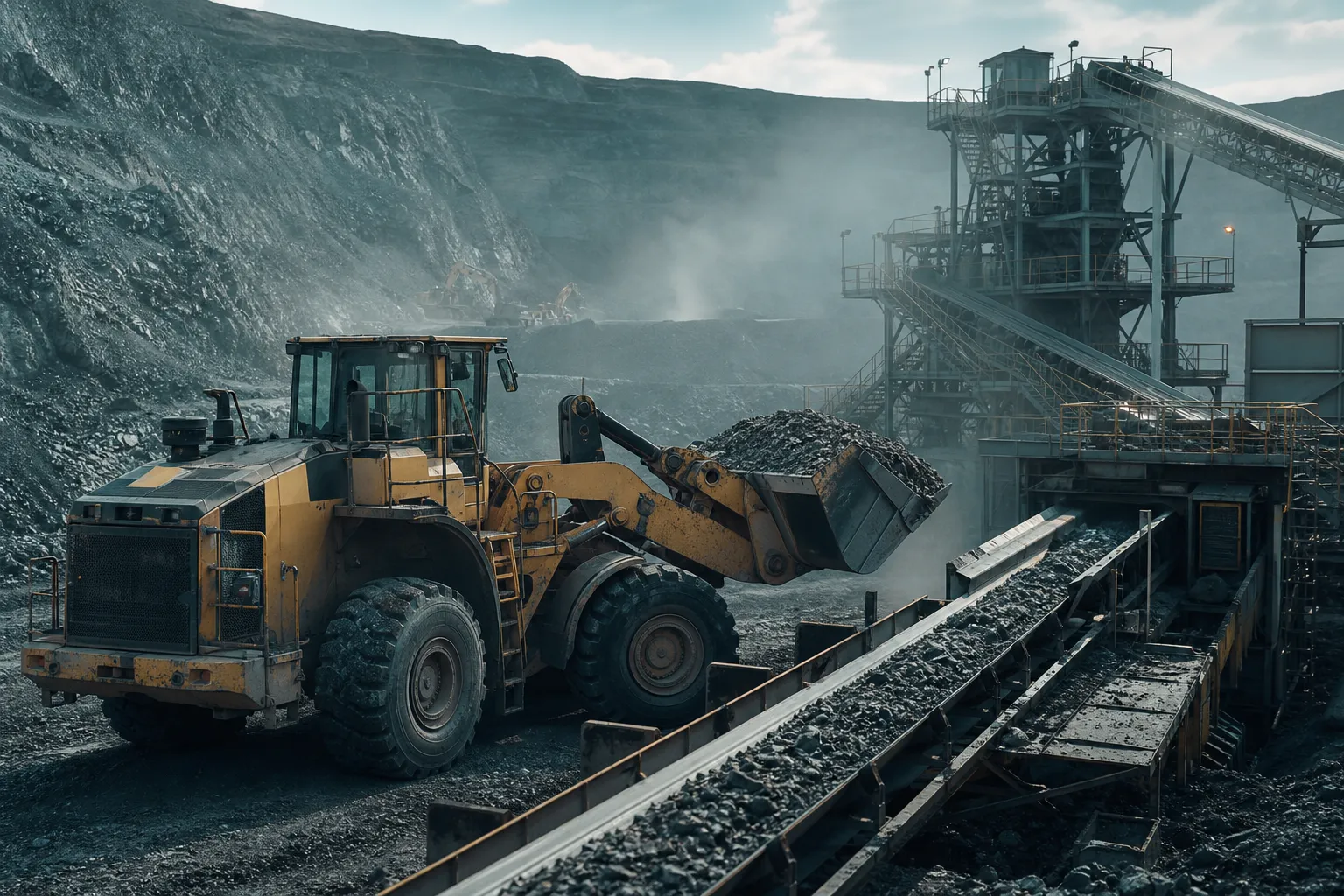
Mining loaders and conveyors in abrasive dusty environments

Mining equipment

Loaders, conveyors and cutting systems exposed to abrasive dust, slurry and overload cycles.

LoadersConveyorsCutting systems
Recommended: DO / XY
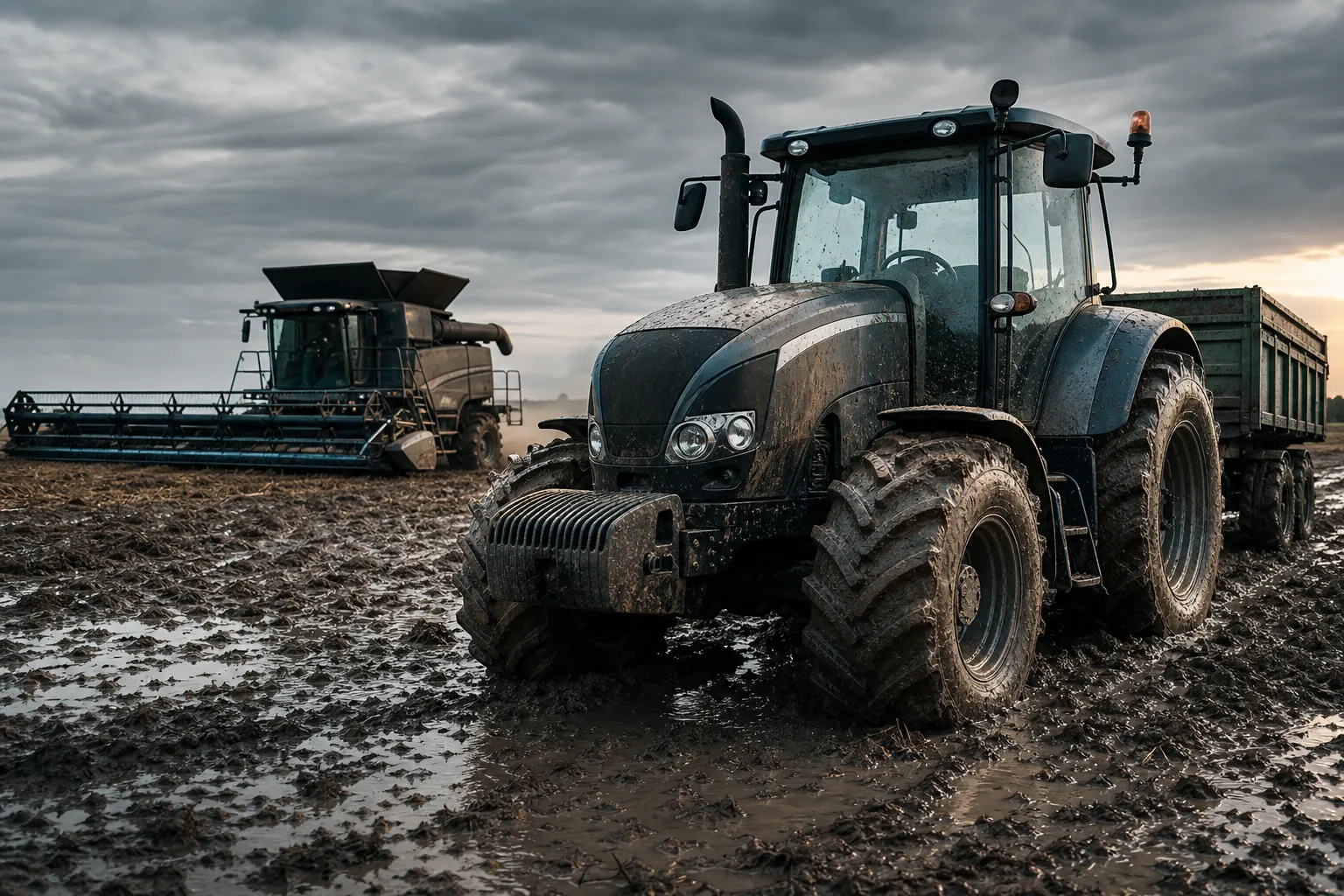
Tractors and harvesters operating in muddy field conditions

Agricultural machinery

Tractors and harvesters working through mud and moisture across long field seasons.

TractorsHarvestersAxle systems
Recommended: DO / DF
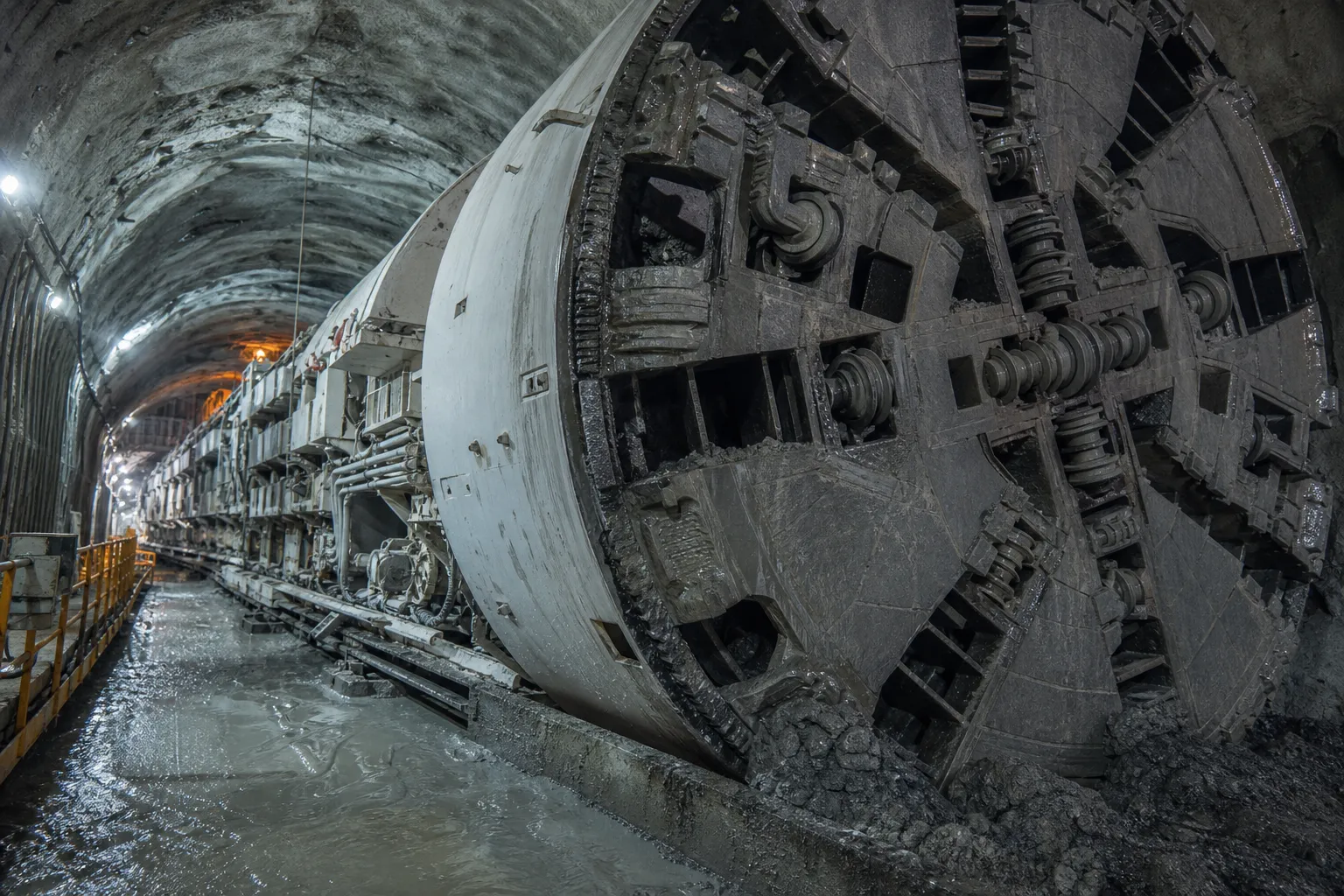
Tunnel boring machine cutter head and drive systems

Tunnel boring machines

High-pressure slurry and cutter-head drives where leakage accelerates main bearing wear.

Main bearingsCutter headsDrive systems
Recommended: XY / DO
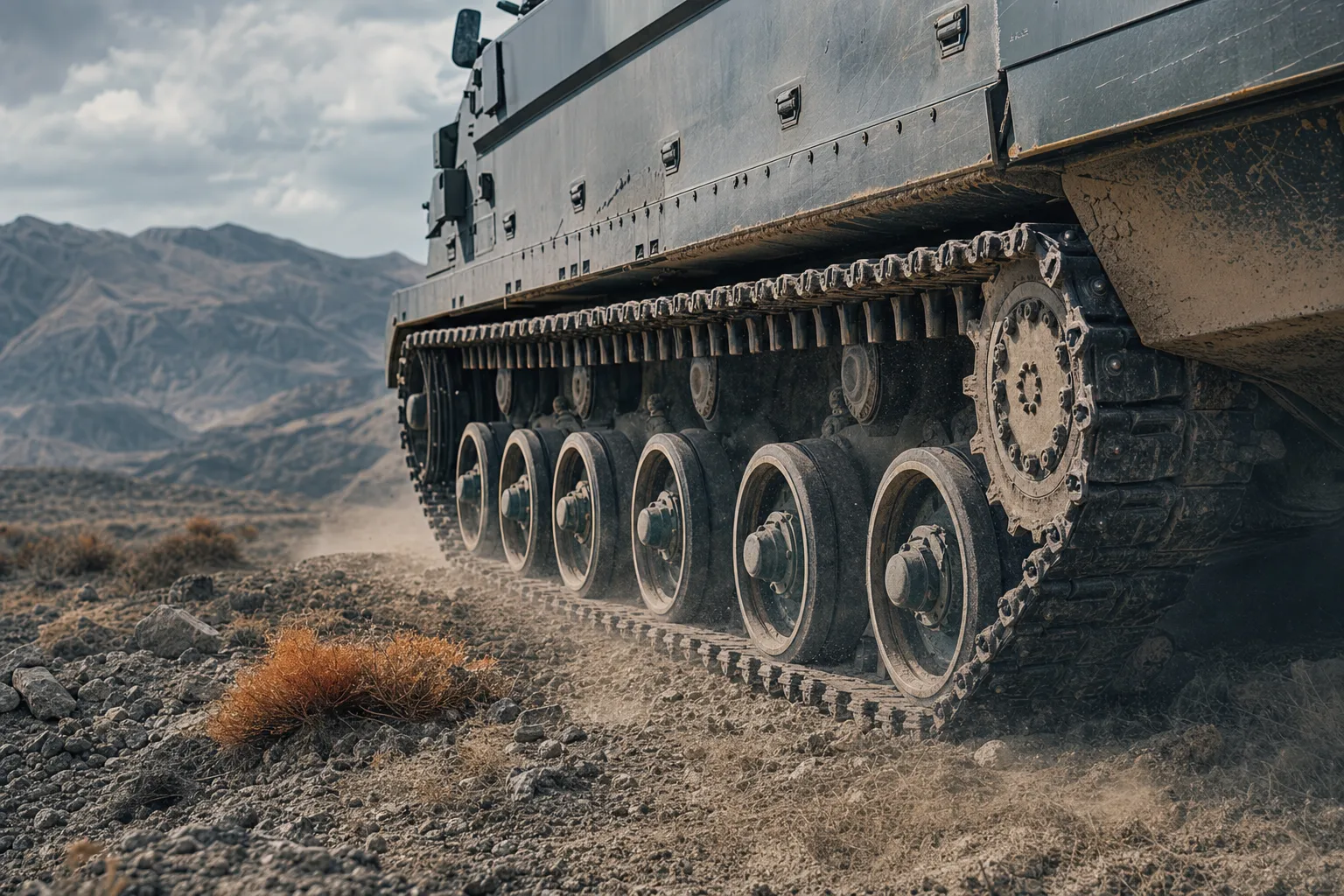
Military tracked vehicles on harsh terrain

Military vehicles

Tracked platforms and suspension components under harsh terrain and extended maintenance windows.

SuspensionTracked systemsFinal drives
Recommended: DO / XY
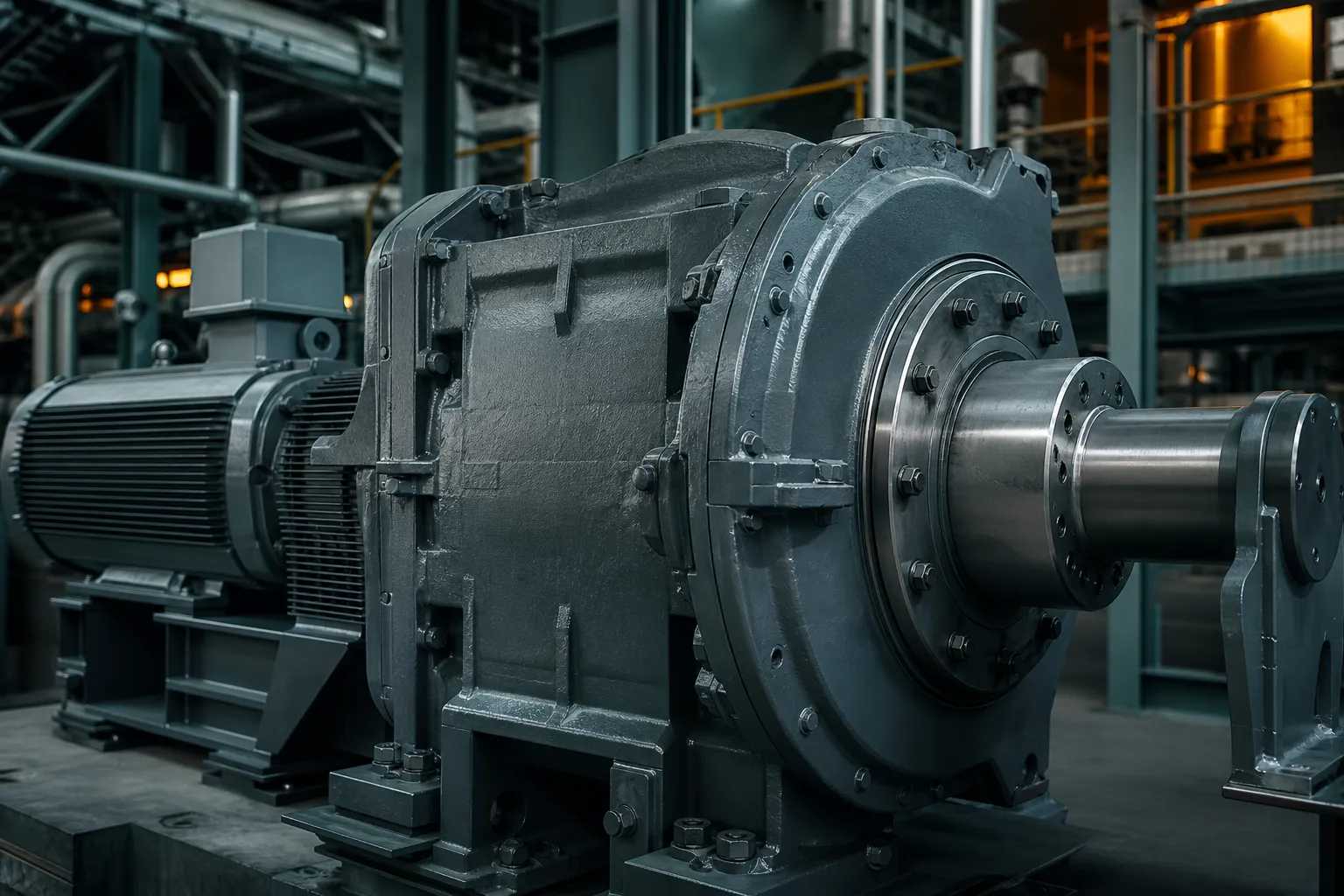
Heavy-duty industrial gearboxes and continuous-rotation drives

Heavy-duty gearboxes

Industrial gearboxes and continuous-rotation drives needing stable lubricant retention.

Gear systemsIndustrial drivesReducers
Recommended: XY / DO

Buying & specification FAQ

Quick answers for procurement and maintenance teams — contact us for document-backed replies.

How do I choose between DO and DF?

Start with housing geometry. If axial space is limited or the bore pocket is square, DF is often the packaging fit. If the housing allows a balanced duo-cone envelope and contamination is severe, DO is usually preferred. Send a drawing when the cavity is unclear.

Can I replace only one half of an XY seal?

No. XY seals are matched X + Y groups. Replace both metal halves together with both elastomer loaders to keep face contact and float behavior correct.

What data do you need to quote a floating seal?

Ideally an OEM part number, seal assembly drawing or hub cross-section with groove dimensions. Photos of the installed seal, operating fluid and peak temperature accelerate feasibility checks.

Can you cross-reference another manufacturer’s seal?

In many cases yes. Send the competitor number or a physical sample; our engineering desk verifies metal ring geometry, elastomer groove and interference targets before confirming fit.

Do you export outside China?

Yes — HuaTong ships globally with export packing and commercial documents suited to freight forwarders. Share preferred Incoterms when requesting pricing.

How soon can engineering respond?

On working days we typically send a preliminary reply within 24 hours. Reverse-engineering jobs that need measurement at our facility are scheduled with the timeline confirmed upfront.

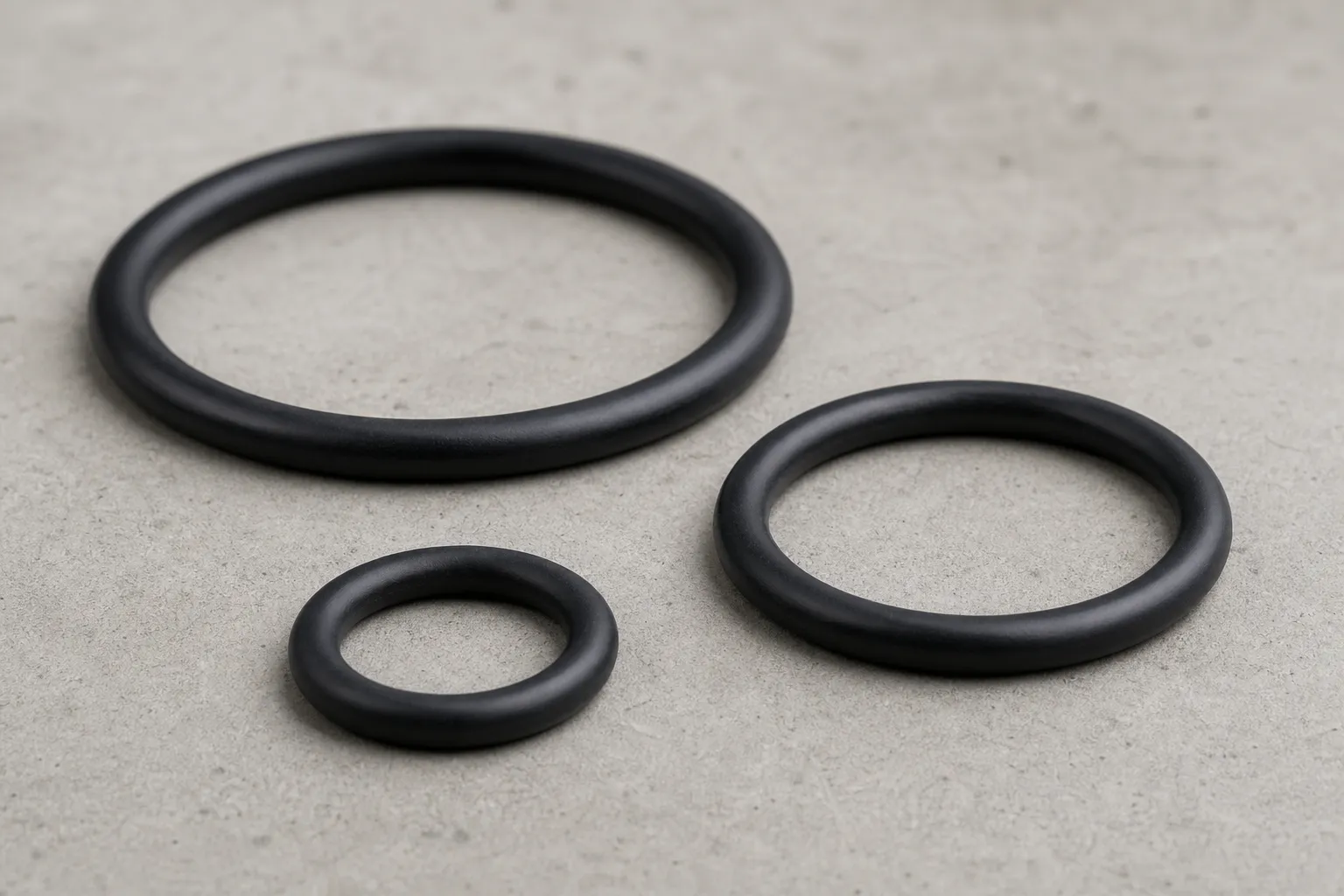
Floating seal rubber O-ring accessories — elastomer loaders

Need spare rubber rings?

Toric O-rings for DO / XY and diamond-profile elastomers for DF. Common compounds include NBR, HNBR, FKM and silicone — grade and stock confirmed at inquiry. Rubber accessories only; metal rings are ordered as DO / DF / XY sets.

View Accessories

Ready to lock in seal geometry for your next build?

Share drawings or OEM numbers — we will confirm series (DO / DF / XY) or rubber-ring accessories, material stack and delivery schedule for your market.